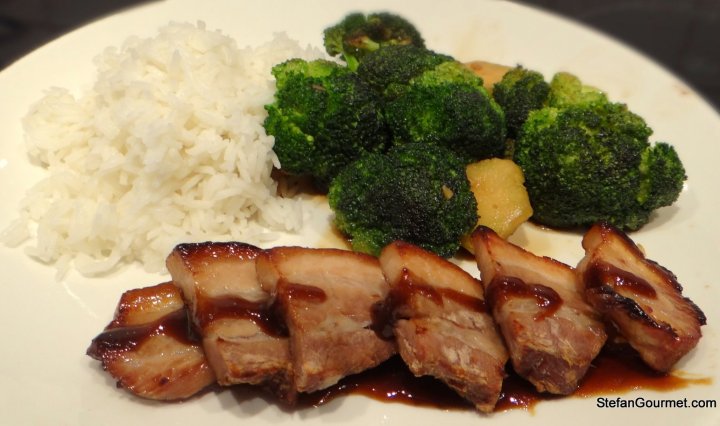
Sous-Vide Pork Belly Asian Style with Garlicky Broccoli

One of the things you can only do sous-vide is making tough meats tender while keeping them juicy and without cooking them ‘well done’. As I am a great fan of medium rare meat rather than well done, this is one of the reasons why so far, I’ve almost exclusively cooked sous-vide meats that way. The only exceptions have been duck leg confit sous-vide and pulled pork sous-vide. This means cooking meat sous-vide at temperatures between 55ºC/131ºF and 65ºC/149ºF, sometimes as long as 72 hours to allow the meat to become tender at such a relatively low cooking temperature.

Lately I’ve started to wonder about cooking meat sous-vide at higher temperatures. The meat will surely become well done and flaky, but I’m curious whether it is still better than a traditional braise on the stove top and in the oven. There is only one way to find out, and that is to try. The first experiment in this series is pork belly. Usually I cook pork belly sous-vide for 36 to 72 hours at 60ºC/140ºF, but in this case I tried it for 10 hours at 77ºC/170ºF. After that it was briefly crisped under the broiler. The inspiration for the recipe came from a post on Serious Eats. I thought it would be nice with broccoli stir-fried with garlic (inspired by REMCooks.com) and some rice, and that did indeed work well. Continue reading “Sous-Vide Pork Belly Asian Style with Garlicky Broccoli”

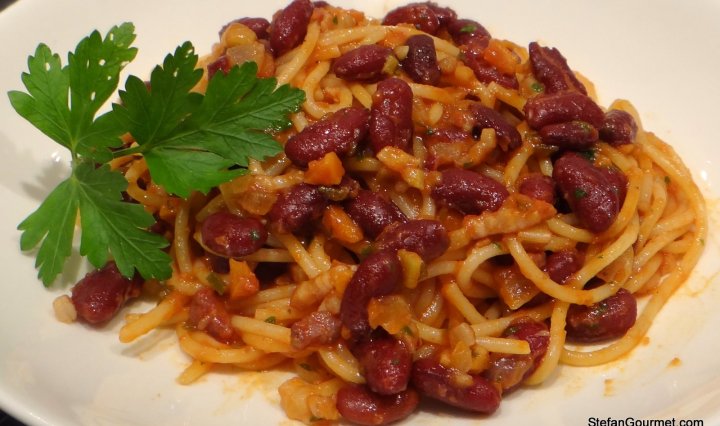
Pasta with Stewed Beans (Pasta con i Fagioli Stufati)

When I started this blog I intended to share all my interesting experiences with cooking, and I’ve hold up to that intention. On some weekends I do so much cooking that I gather material for 5 to 10 posts in a single weekend. I’ve been cooking so much lately that I have about 20 posts worth of photos sitting on my hard drive, waiting to be published. So even on days like today when I didn’t cook anything interesting because I came home late from work, I browse through the photos to choose what to blog about.

After some posts about Tex-Mex and fancy stuff like sous-vide rose fish, it is time to go back to my culinary roots and post a recipe for a homey Italian pasta dish. Comfort food that is simple to prepare, cheap, loaded with flavor, and perfect for a cold autumn or winter day. This is one of those recipes that I had not tried before from my first cookery book by Biba Caggiano that got me started on Italian cooking. I probably never tried this before because beans are not really my favorite food. According to Biba this is a very old country dish. It sure has a lot of flavor, and although it still doesn’t make me fond of beans it was pretty good 🙂 Continue reading “Pasta with Stewed Beans (Pasta con i Fagioli Stufati)”

My First Chili con Carne

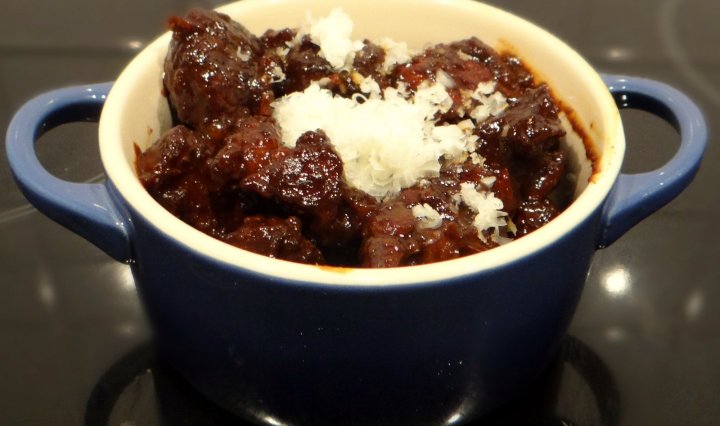
When I wanted to try and make chili con carne from scratch for the first time, the natural place to go for a reliable recipe was REMCooks.com. Richard’s recipe for what he calls Super Bowl Chili, Texas-Style has been the basis. According to Richard (and I consider him a reliable source), true Texas-style chili includes only meat, chile peppers, and spices. This means that the chile peppers used for it are very important, as they are the determining factor in how the chili will taste. This is why I made my own chile powder rather than using store-bought. By using different types of chiles you can achieve great depth of flavor. Continue reading “My First Chili con Carne”

Pickled Chipotles à la Richard

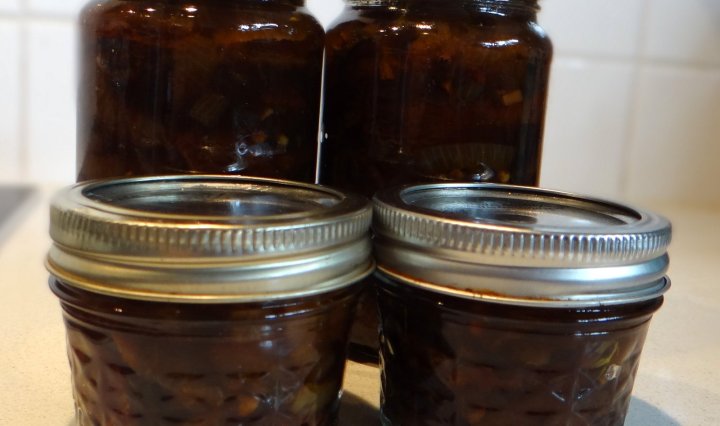
Ancho chile rub was not the only homemade goodness that Richard sent over, his wonderful package also included pickled chipotles. Chipotles are smoked jalapeño peppers and they are not only spicy but also wonderfully smoky. I had never tasted them prior to Richard’s surprise, and liked them instantly. I especially liked them in pork burgers. Just like the ancho chile rub, I ran out of the original batch pretty quickly, and so I had to make my own. I followed Richard’s recipe for them, and they turned out just like the batch that he had sent. Continue reading “Pickled Chipotles à la Richard”

Rose Fish Sous-Vide with Lemon-Roasted Cauliflower

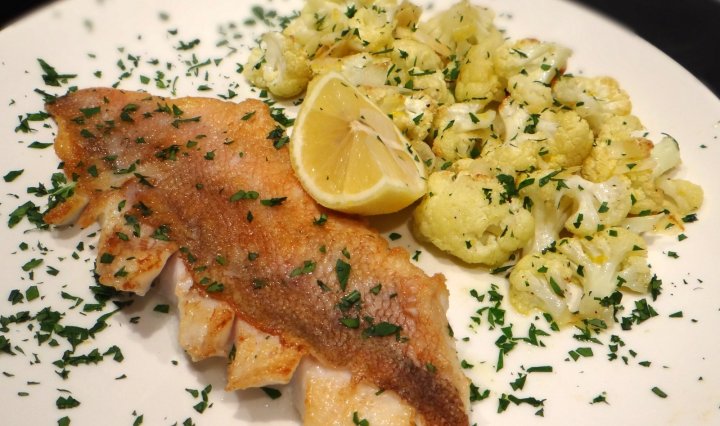
Rose fish is called “Roodbaars” in Dutch, which literally translates to “Red (sea) bass”. I like all seafood so when I checked out the market and the rose fish looked the freshest, that is what I got. From the name and appearance I assumed wrongly it resembled sea bass or snapper, but instead the texture and flavor turned out to be more like cod. I prepared it like I prepare sea bass, by cooking it sous-vide and then crisping up the skin. It turned out okay, but not as nice as actual sea bass and just slightly dry and flaky. Next time I’ll prepare it more like cod, cooked sous-vide at a slightly lower temperature (45ºC/113ºF instead of 48ºC/118ºF). White fish pairs nicely with roasted cauliflower, and so I served the fish with lemon-roasted cauliflower that turned out nicely. Continue reading “Rose Fish Sous-Vide with Lemon-Roasted Cauliflower”

Gnocchi with Walnut Sauce (Gnocchi in Salsa di Noci)

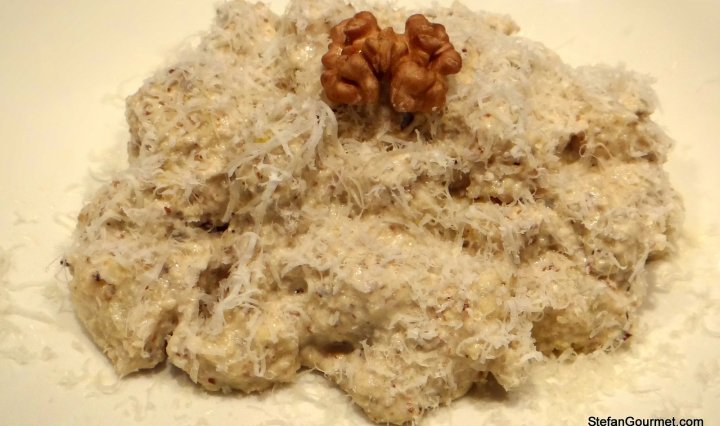
Mimi’s post about gnocchi in a walnut cream sauce inspired me to try my own version. Instead of a sauce with cream, I made the classic Ligurian walnut sauce with milk, day-old bread, garlic, marjoram, and olive oil. The sauce has a nice full walnut flavor that works very well with the sweetness of the potato gnocchi. Thanks for the idea, Mimi!  Continue reading “Gnocchi with Walnut Sauce (Gnocchi in Salsa di Noci)”

Homemade Gravlax

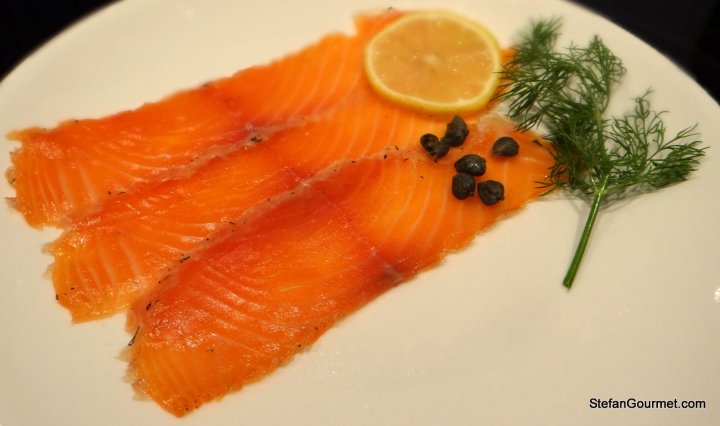
Stéphane Gabart has beautiful photograph on his blog My French Heaven, and the recipes he shares with us are both simple and delicious. His post on gravlax inspired me to try this for myself. Gravlax or gravad laks is salmon cured with salt and sugar. This used to be a method to preserve salmon, and nowadays it is still prepared for its nice flavor. The name actually means “buried salmon” in Scandiavian languages, as the salmon used to be buried on the beach to preserve it.

Gravad lax tastes similar to smoked salmon, except that it’s not smoked. It is very easy to make your own, which will certainly impress your friends. All you need is sushi grade salmon and some patience. Continue reading “Homemade Gravlax”

Crispy Cucumber from my new Chamber Vacuum Sealer

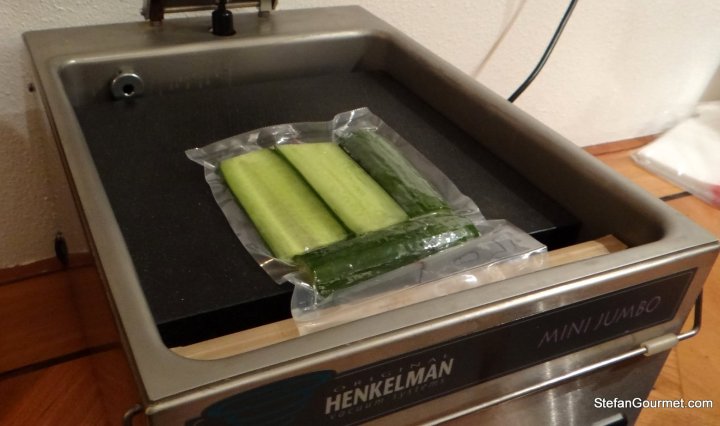
Because I cook sous-vide so often, a vacuum sealer is a necessity in my kitchen. The simple ‘clamp’ or ‘edge’ vacuum sealer (also known as ‘Foodsaver type’ vacuum sealer) that I have been using for three years is starting to fall apart and so it was time for a new one. That was a good excuse reason to purchase a chamber vacuum sealer. Continue reading “Crispy Cucumber from my new Chamber Vacuum Sealer”

Rendang Daging (Indonesian Beef Stew)

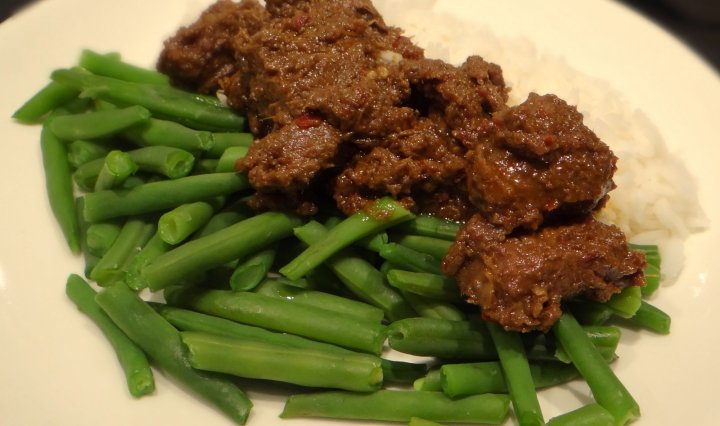
Rendang Daging is beef stewed in coconut milk with spices until all of the coconut milk has been reduced and the beef is tender. The stew becomes more and more dry, and turns from a light color to a dark color because of the caramelization that will occur. Rendang is traditionally served at festive occasions. The cooking method was developed to preserve meat in a tropical climate before refrigerators were available. Now rendang is still prepared because it is loaded with flavor. Rendang is so popular that it is regarded the national dish of Indonesia. Continue reading “Rendang Daging (Indonesian Beef Stew)”

Wagyu Short Ribs Sous-Vide

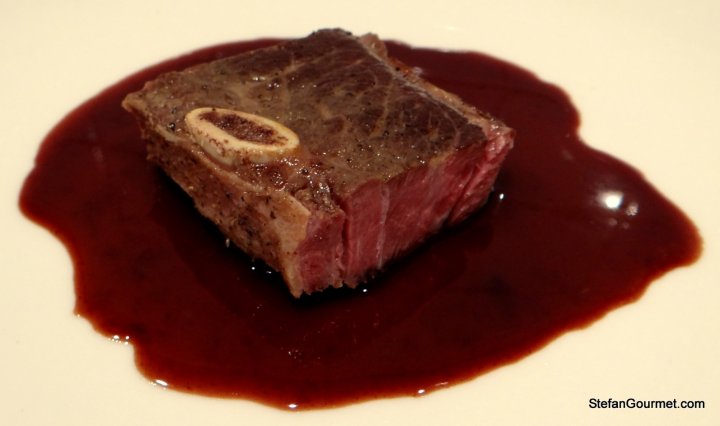
Beef short ribs sous-vide are great, and I already did a post on the best cooking time and temperature for them. With some experimenting I found that for ‘regular’ beef short ribs, 48 hours at 57ºC/135ºF is best. However, not all beef is alike and I found that for wagyu short ribs a lower temperature and longer cooking time are better: 72 hours at 55ºC/131ºF. I suppose I could stop the post here, but I’m going to show you the nice photos that I took 🙂 Continue reading “Wagyu Short Ribs Sous-Vide”

Pear Ice Cream

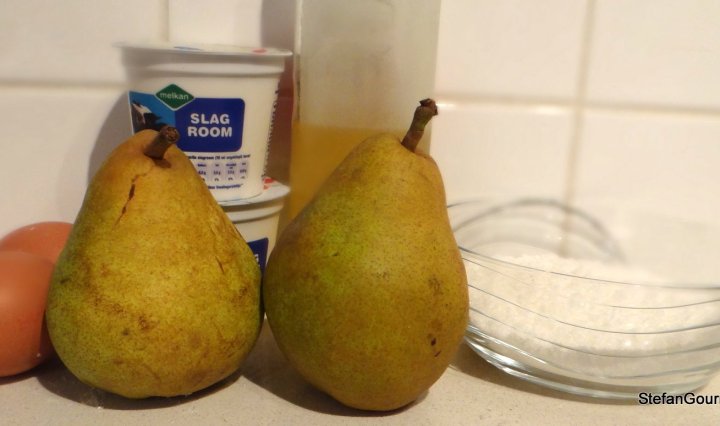
Pears are in season, and pear ice cream is one of my favorite flavors. If you own an ice cream maker, making your own pear ice cream is very easy. Just blend all the ingredients and pour the mixture into your ice cream maker. The ‘official’ way to make ice cream requires you to cook a custard first, but if you don’t mind eating raw egg yolks then that step can be skipped and you will still end up with very nice ice cream. The advantage of making your own ice cream from scratch is that there are no artificial flavors, just actual pears.

The most important thing to remember is to use ripe pears, and it pays off to buy them a week in advance if needed as they will ripen after you buy them. To obtain firm but pliable ice cream and just a touch of lemon, I add a small amount of limoncello. The alcohol will prevent the ice cream from freezing into a brick.
Continue reading “Pear Ice Cream”

Richard’s Ancho Chile Rub

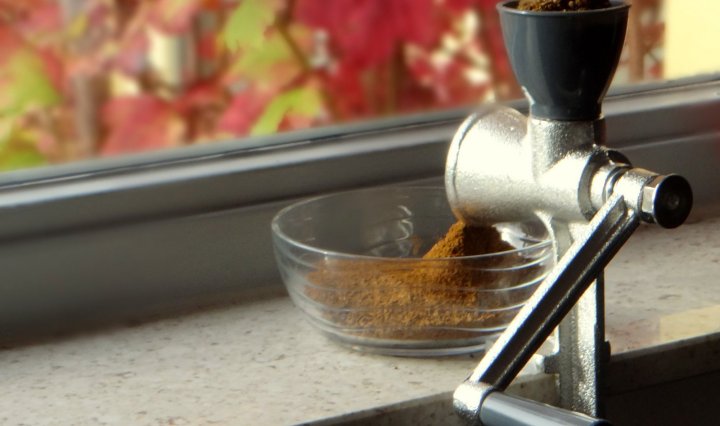
Months ago I received a surprise package from Richard McGary with a challenge and lots of chile peppers. One of the contents of the package was a jar with Richard’s homemade Ancho Chile Rub. This is a spice mix with ancho chile as the main ingredient that I liked a lot. I tried it with salmon and tuna. The ancho chile rub is not just spicy — it has a deep earthy flavor that goes well with both meat and fish. I liked it so much in fact, that I finished the jar that Richard sent pretty quickly. And so I had to make my own. Continue reading “Richard’s Ancho Chile Rub”

Tuna Confit Sous-Vide

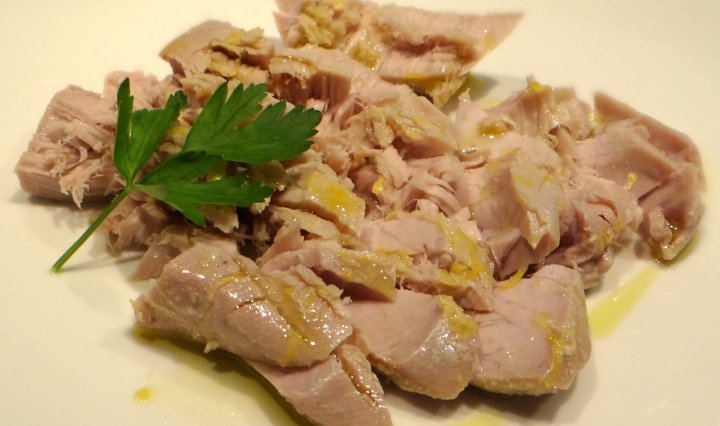
Canned tuna is cheap, but often of inferior quality. The tuna is dry and tastes mostly of salt. I have found good quality ‘organic’ canned tuna from the Ortiz brand, but that is more expensive than sashimi grade fresh tuna. So when I read about tuna cooked sous-vide with olive oil at 71ºC/160ºF for an hour as a tasty alternative for canned tuna on SVKitchen.com, my interest was piqued and I decided to give this a try. As the tuna will be pasteurized with this cooking time and temperature, it is perfectly fine to use frozen tuna for this that is a lot cheaper than sushi grade fresh tuna. Continue reading “Tuna Confit Sous-Vide”

Penne with Cavolo Nero and Parmigiano

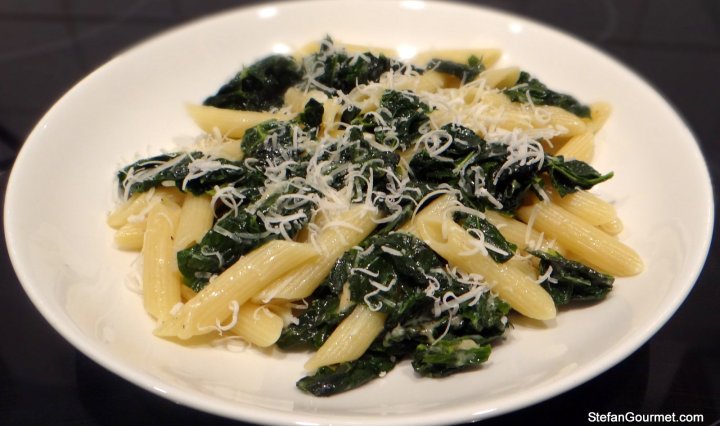
Cavolo nero is my favorite type of cabbage. You could substitute with kale if you can’t find cavolo nero, but cavolo nero has a sweeter taste. You can think of it as the elegant Italian cousin of kale. This pasta dish is quick, easy, and delicious. The cavolo nero is parboiled and then stir fried while the pasta is cooking. To complete the dish, the cavolo and pasta are tossed with parmigiano and a bit of the pasta cooking water. The ‘sauce’ that is thus created of the cooking water and parmigiano is very creamy and works very well with the flavor and crunchiness of the cavolo nero.
Continue reading “Penne with Cavolo Nero and Parmigiano”

Homemade Flour Tortillas

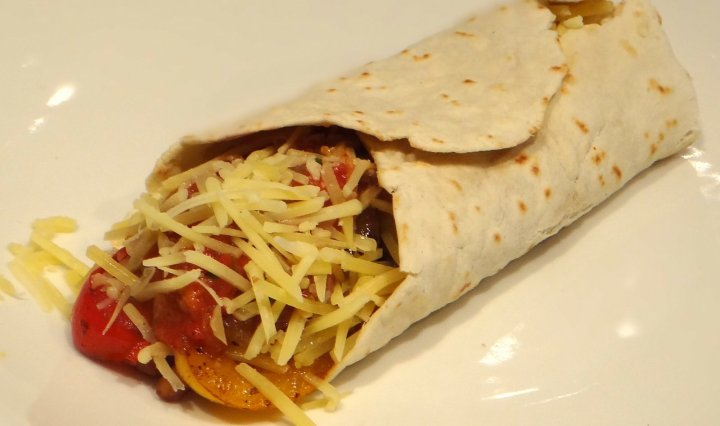
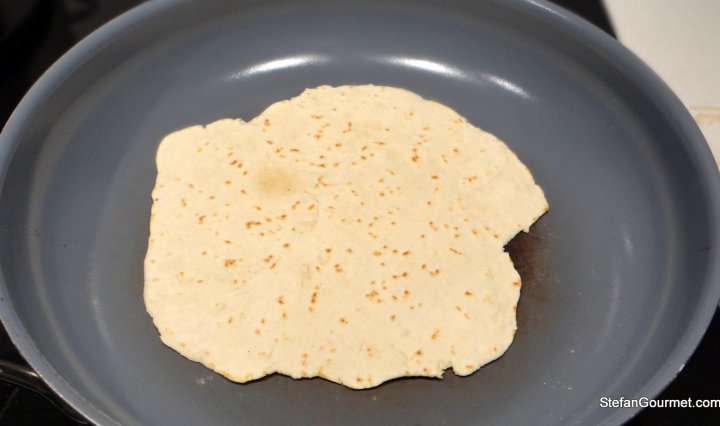
After yesterday’s post telling you about making the components for fajitas from scratch, it’s not much of a surprise that today’s post is about making homemade flour tortillas.

I have a confession to make. I’m not good with rolling pins. Maybe it’s a matter of patience (of which I have very little), but I always get grumpy when I try to roll out dough with a rolling pin. I especially hate it when it keeps shrinking (I know it helps to allow the dough to rest to avoid this, but still). This is why I never make pasta the classical way with a rolling pin (which according to Italians is the superior method), but with a pasta rolling machine. And this is also part of the reason why I never made flour tortillas from scratch before. So when I was purchasing some dried chipotle and ancho chiles from an online store that sells Mexican stuff, on a whim I clicked and added a tortilla press to my order. Continue reading “Homemade Flour Tortillas”

Salsa Roja (Roasted Tomato Salsa)

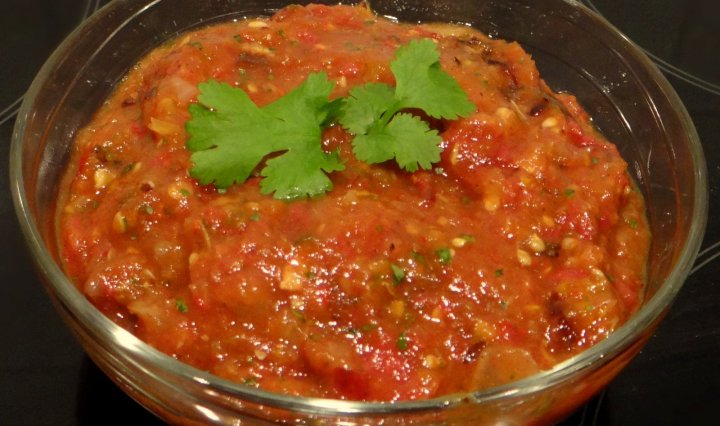
If you’ve been following this blog for a while, you know that I like making everything from scratch using fresh ingredients. Chicken fajitas are one of my favorite dishes to prepare when I don’t have time and/or equipment to make everything from scratch (like when we are vacationing in an RV), as they are very tasty and store-bought flour tortillas and salsa are of acceptable quality. I had never made fajitas from scratch yet, and I wanted to try to see if it would be worth the effort compared to using store-bought components. And so I needed to make my own salsa as one of the components. Continue reading “Salsa Roja (Roasted Tomato Salsa)”

Belgian Endive/Witlof/Chicory Salad with Mandarins and Walnuts

There are few vegetables that have different names in the UK, the US, and Australia, but witlof is one of them. Witlof is what it’s called in Australia and the Netherlands, but it is called Belgian Endive in the US and Chicory in the UK. In this post I’m going to stick to witlof, as this is a Dutch salad.

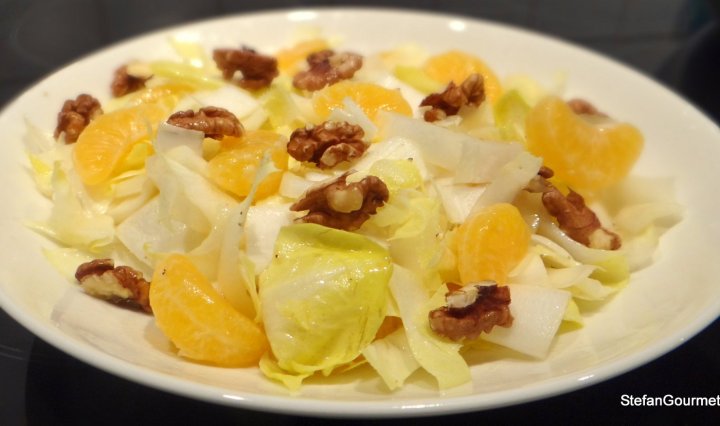
A witlof salad with mandarins and walnuts is a very homey Dutch dish, that is often made with canned mandarins and store-bought dressing. As such it is okay but nothing special. With a few touches I’ve transformed it into something a lot better: using fresh mandarins rather than from a can, toasting the walnuts, and making my own dressing with fresh mandarin juice and zest, honey and walnut oil. Continue reading “Belgian Endive/Witlof/Chicory Salad with Mandarins and Walnuts”

Perfect Duck Breast Using Transglutaminase

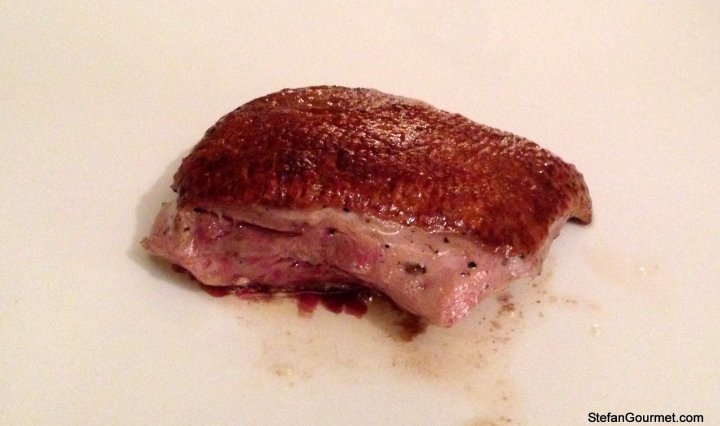
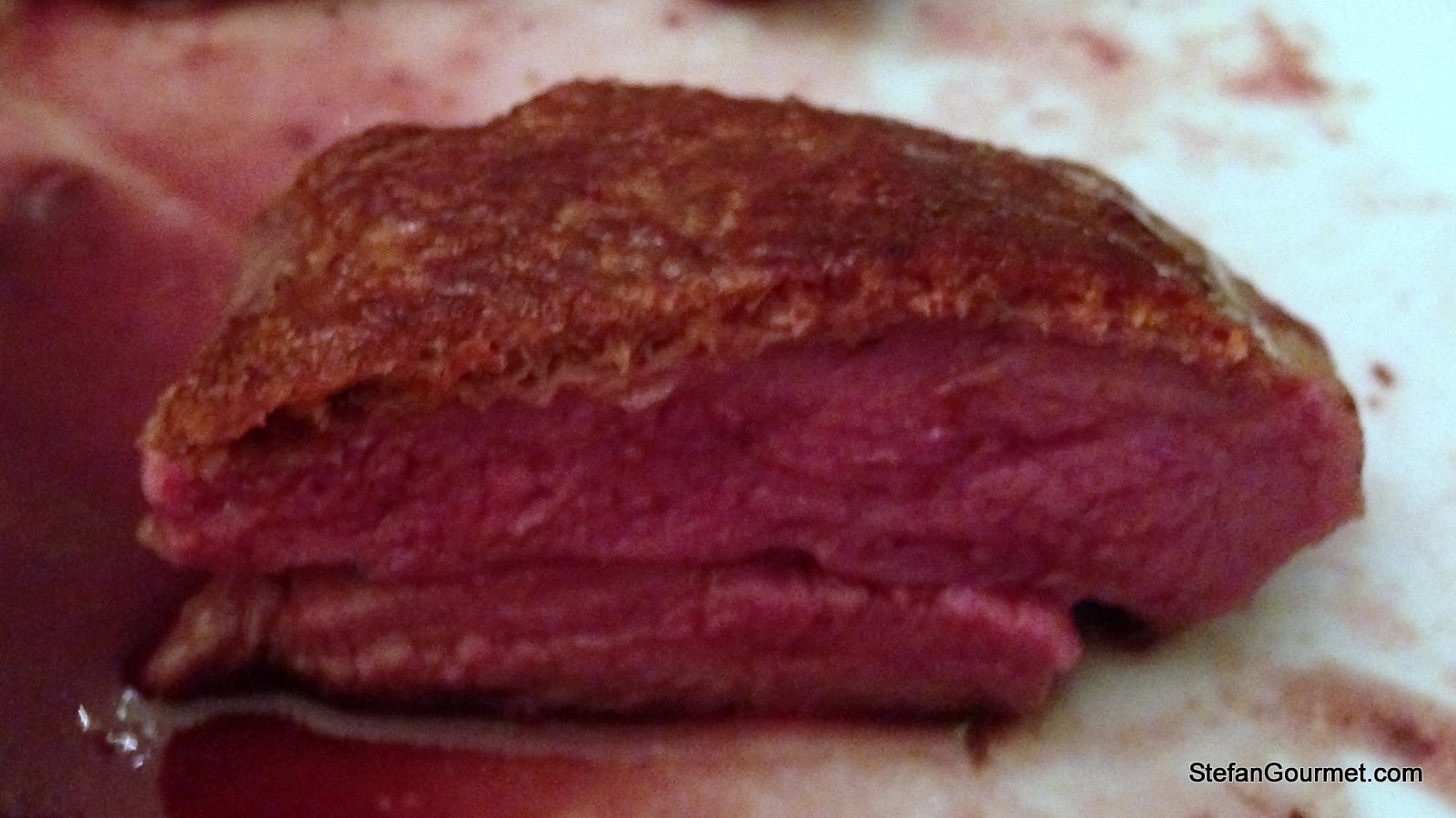
I always thought it was impossible to prepare a perfect duck breast. Duck breast consists of two parts: the skin and the meat. To be perfect, the skin should be crispy with most of the fat rendered out of it, and the meat should be medium rare. Both at the same time seemed to be impossible, as the meat overcooks while you are rendering the fat from the skin. Even experimenting didn’t help to solve this conundrum.

IMG_1551
But then I thought of Transglutaminase, an enzyme that is sold mixed with maltodextrin and sodium caseinate under the name of Activa RM and is also known as ‘meat glue’. Why not take the skin off the meat, cook skin and meat separately, and then glue them back together again? Teun had some Activa and so I went over to his place to try this. And guess what? It worked! Crispy skin and meat that was uniformly medium rare all the way up to the skin. (Unfortunately I only took photos with my iPhone in bad lighting conditions. I will prepare duck breast this way again and then take good photos and post a proper recipe.) Continue reading “Perfect Duck Breast Using Transglutaminase”

Bresaola

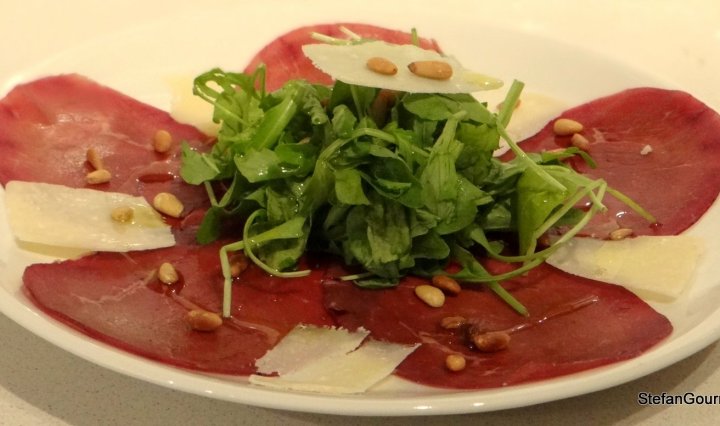
If you don’t want to cook but like to impress at a dinner party, bresaola is what you should look for in an antipasto. Bresaola is Italian air-dried, salted beef that has been aged two or three months. Like carpaccio (raw beef) it is often served with shaved parmesan, roasted pine nuts and arugula, but it has much more flavor. Bresaola has a very rich pleasant flavor. I like to brush the bresaola with a bit of aged balsamic vinegar. The good stuff is called aceto balsamico tradizionale, is aged for at least 12 years, and very expensive. But you only need half a teaspoon or so per serving.  Continue reading “Bresaola”

Rabbit Legs Sous-Vide with Fresh Fig Sauce

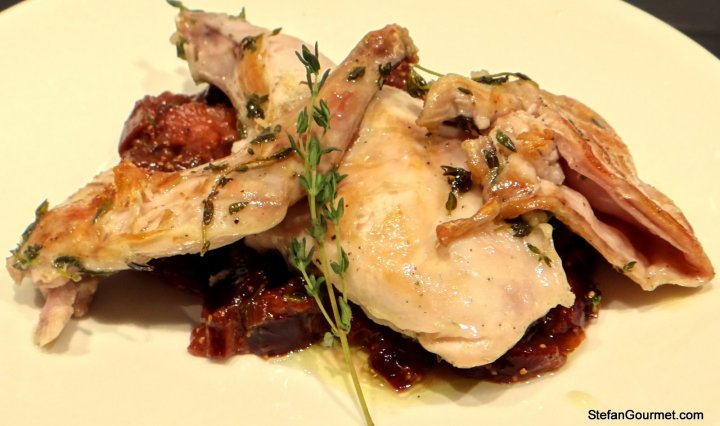
A few weeks ago I was envious of the fresh figs Richard McGary used for his wonderful Chicken Quarters with Fig Chutney, as good quality fresh figs are very hard to get in this country. I remember eating fresh figs in southern Italy and being impressed how great they were compared to the watery imported stuff I’m used to. But lo and behold, quite soon afterwards I picked up some very decent fresh figs from the market and they were even a bargain. As I picked up a rabbit from the same market, I pretty soon came up with the idea to prepare the rabbit with a fresh fig sauce. Continue reading “Rabbit Legs Sous-Vide with Fresh Fig Sauce”

Rabbit Loin Saltimbocca (Saltimbocca di Coniglio)

Cuts of meat that come from different muscle groups in an animal require different cooking to make them shine. For instance, a ribeye steak is best served medium rare after a quick sear and some resting, whereas a brisket needs to be cooked low and slow to become tender and delicious to eat. Smaller animals like chickens and rabbits are often cooked whole, disregarding the wisdom gained from preparing beef in separate parts. Part of the reason for this may be that a chicken fits easier into most pans and ovens than a whole cow does 😉 A more economical reason is that if you judge by effort per pound of meat, a relatively big effort is needed to separate the different muscle groups of a small animal. Even so, it is worth doing so to get the best results. This is also true for rabbit. Rabbit loins are the ‘rib eye’ of the rabbit, they are very tender and require very little cooking. The legs and other parts however need to be braised or stewed. Even so, rabbit is often cooked whole with the loin dried out.

I thought this to be a waste of a very nice piece of meat, and so when I bought a whole rabbit I decided to do my own butchering and divide the rabbit into loins, legs, flap meat, and carcass. (Of course you can also ask your butcher to do this for you.) The latter three parts will be used for tomorrow’s recipe. The tenderloins are so small in a 1.1 kg (2.5 lbs) rabbit that they are hardly worth getting out. The loins themselves were about 160 grams together or about 14% of the weight of the rabbit.

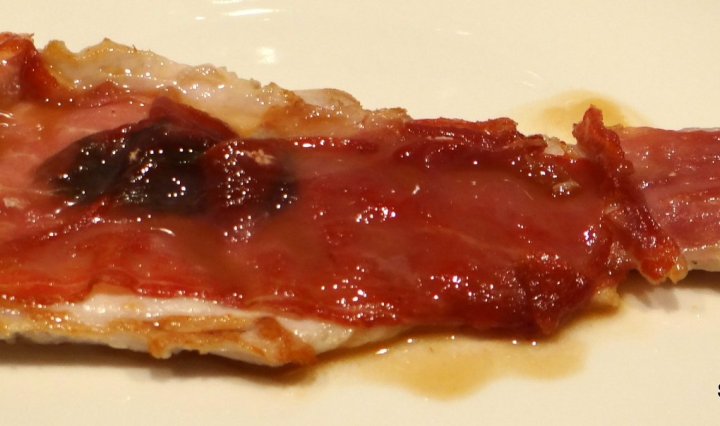
On the same day I had bought the rabbit, I had also bought some very nice prosciutto. As I still have fresh sage growing in my garden, I decided to turn those rabbit loins into rabbit saltimboccaSaltimbocca is a famous dish from Rome consisting of veal scaloppine with prosciutto and sage. It is so delicious that it is called “jump into mouth” (salt = jump, bocca = mouth). I prefer to have a rabbit jumping in the direction of my mouth rather than a calf 😉 But seriously, this rabbit saltimbocca was absolutely delicious. The meat is super tender and succulent, and pairs very well with the prosciutto and sage. Compared to the veal version, it is a bit lighter and softer in style.

Continue reading “Rabbit Loin Saltimbocca (Saltimbocca di Coniglio)”

Fettuccine with Porcini, Sausage, and Cream

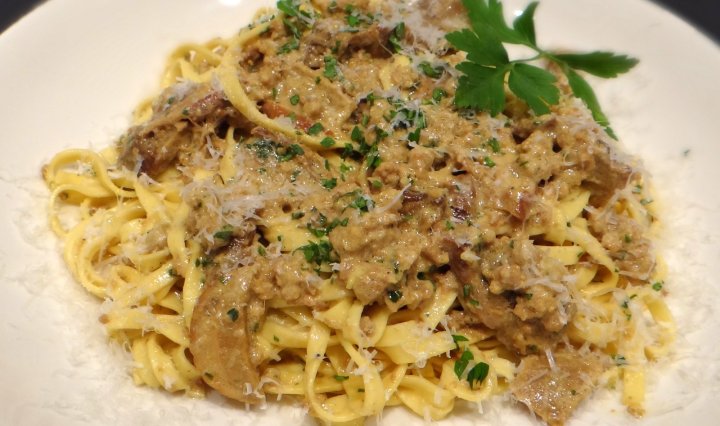
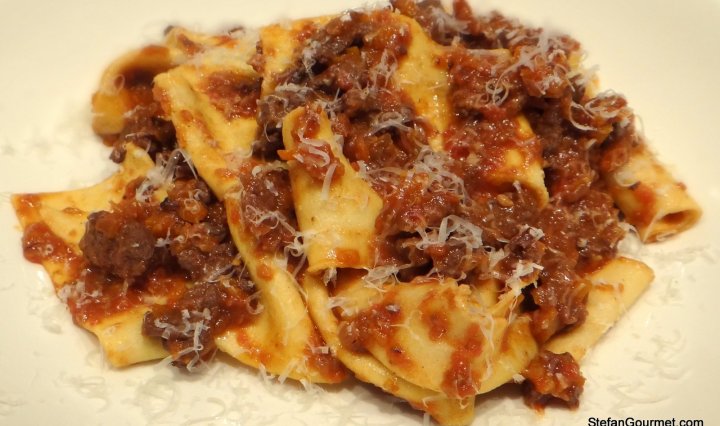
Did you know October 25 is World Pasta Day? I didn’t until today. For us, almost every day is pasta day. There are countless varieties and even more sauces, and we like them all. I’ve written before on this blog that my love for Italian cooking initiated from the books of Biba Caggiano. I have almost all of her books, and I have cooked many of the recipes in them. But not all, and today’s pasta is a dish that I had never tried yet, even though it’s in the first of Biba’s books I have owned for 15 years now. I wish now I had tried it sooner, because it is really good!

Gramigna is a special kind of homemade local pasta from Bologna. Gramigna are often served wit sausage and cream, and Biba was inspired by that for the sauce in this recipe. As you need a special tool to make gramigna, we prepared fresh fettuccine instead. Continue reading “Fettuccine with Porcini, Sausage, and Cream”

Stuffed Cabbage (Involtini di Verza)

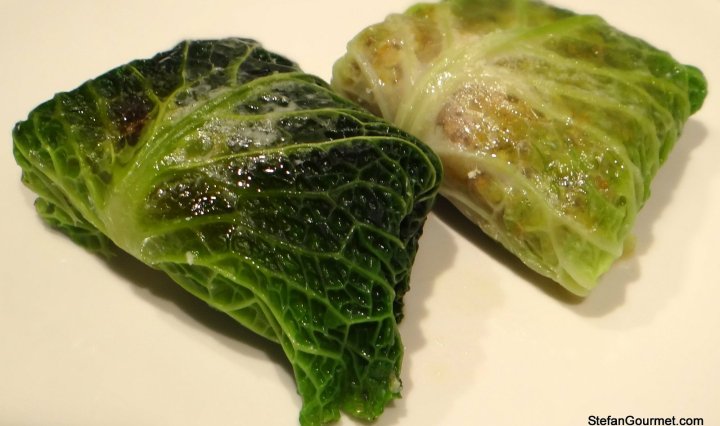
Stuffed savoy cabbage or involtini di verza are quite a ‘homey’ dish, but they are so tasty and nice looking to boot that I dare to serve them at a dinner party. There is no single recipe for them — as with many Italian dishes there are as many variations as there are families. The general idea is that a large leaf of green curly savoy cabbage is parboiled, stuffed and then baked. I stuffed my version with the tender inner cabbage, minced beef and pork, mortadella, fennel seeds, and parmigiano and they were absolutely wonderful. The mortadella is important as it adds a lot of flavor, but if you use too much it will overpower the rest. I’m not usually big on cabbage, so I was surprised how delicious these turned out to be. Continue reading “Stuffed Cabbage (Involtini di Verza)”

Langoustine Tartare with Mandarin and Bottarga

One of the best dinners we’ve had so far this year was at La Madia in Sicily. One of the dishes there was Battutino di gambero rosso, maionese di bottarga di tonno e olio al mandarino.

DSC05651
The dish at La Madia

This is what I wrote in my review: “Carpaccio of prawns, flattened into a perfect disc, served with a bottarga mayonnaise and mandarin olive oil. It was suggested to spread out the ‘mayo’, which we did, and it was a great combination with the prawns and didn’t overpower them. Great balance of flavors, although I may have liked a slightly ‘fresher’  taste.”

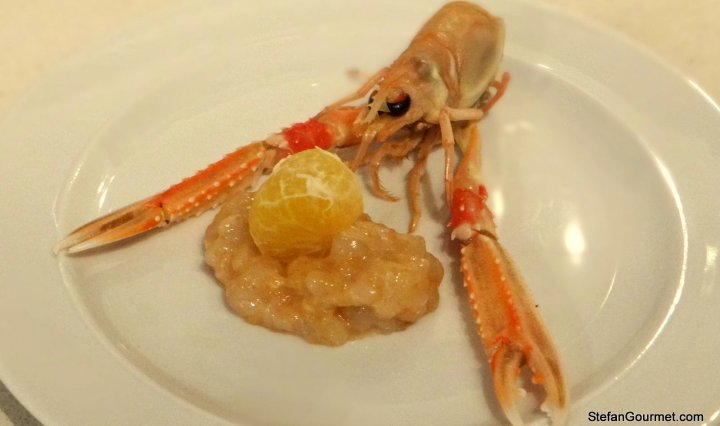
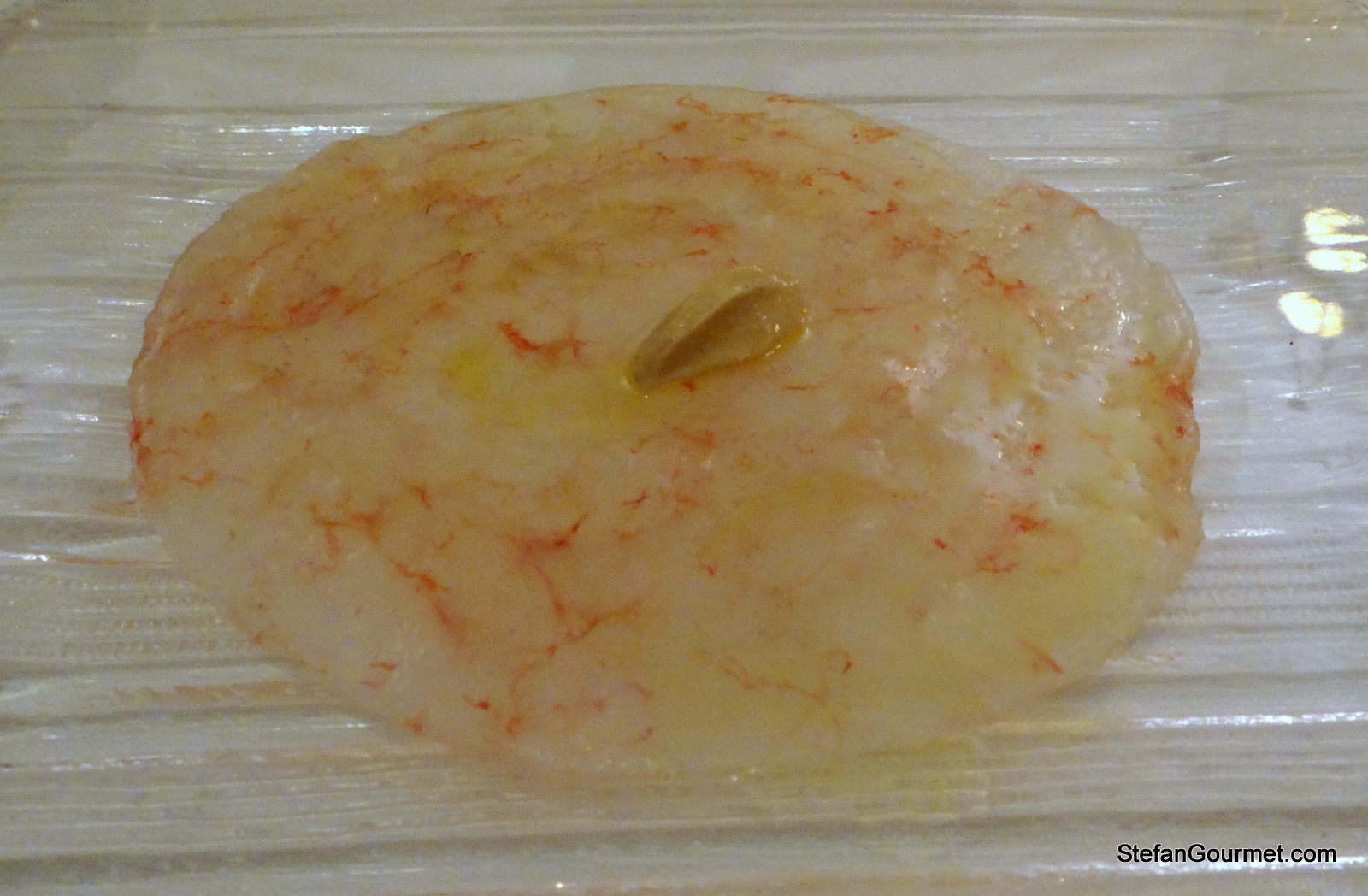
The type of prawns used in this dish is not available fresh in the Netherlands, but I love raw langoustines (scampi) that are locally caught. When I saw fresh langoustines at the market, I decided to create a dish that was inspired by the combination of flavors at La Madia. The result was an appetizer of langoustine tartare with mandarin zest infused olive oil, mandarin juice, bottarga, and mandarin. It was very nice as a small appetizer (amuse bouche). The flavors worked very well together, and I liked that it was ‘fresher’ than the dish at La Madia. The dried bottarga was not as smooth as the bottarga mayo at La Madia, but it was nice all the same. Continue reading “Langoustine Tartare with Mandarin and Bottarga”

Tarte Tatin

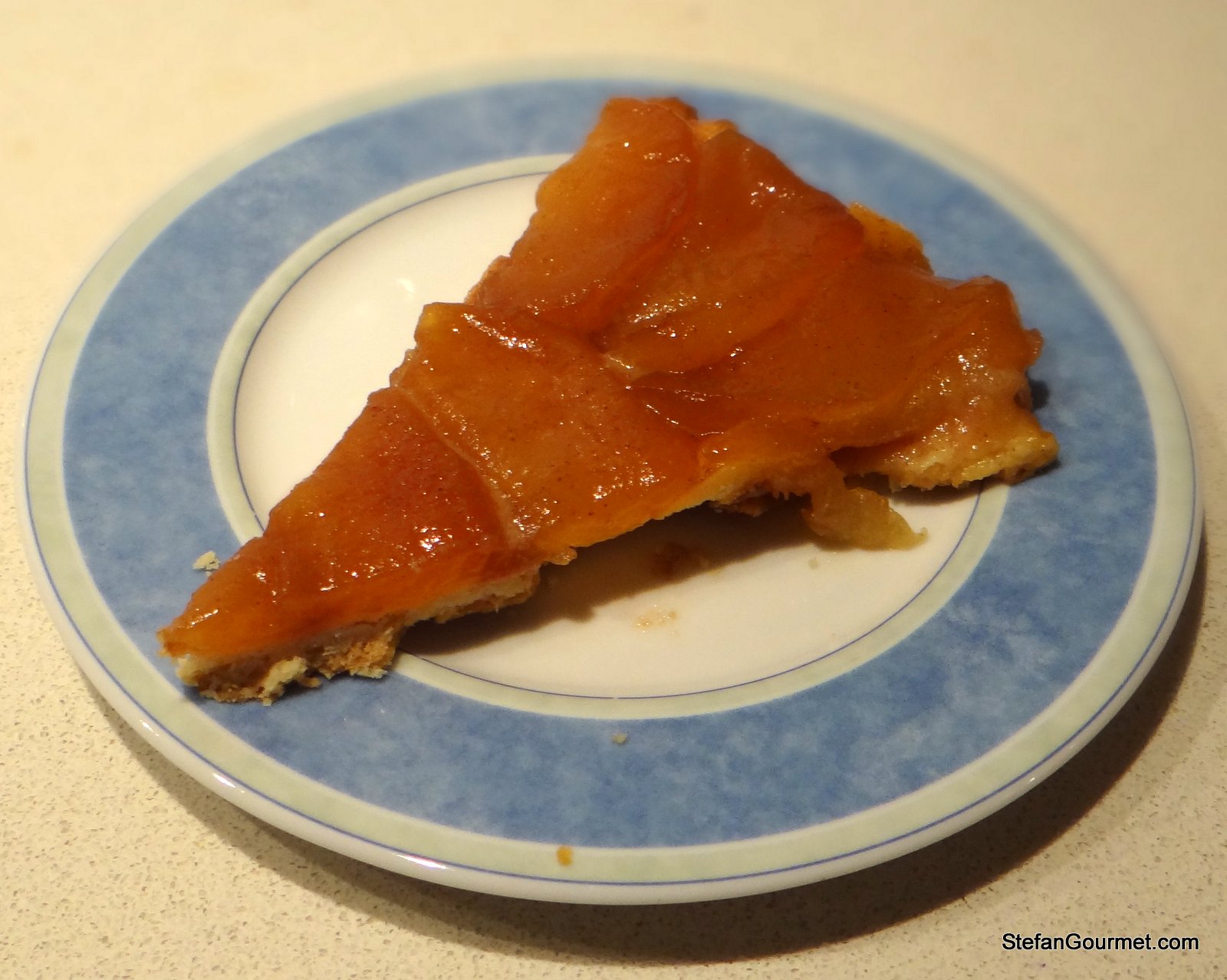
One of the most famous French tarts is the upside-down apple tart that according to legend was created by mistake by the Tatin sisters in the 1880s. Baking the cake upside-down helps to keep the crust crispy. The other success factor is the combination of apples with caramel. It sure is delicious and not that hard to make — the tricky part is turning it at the end.

DSC01441
A few weeks ago I made a very simple Tatin cheat using store-bought puff pastry but without turning the tart. Many recipes for Tarte Tatin use store-bought puff pastry, but I’m quite sure that the Tatin sisters used more simple pastry so instead I made pastry dough from scratch. Here’s my version. You will need an oven-proof flat pan with a diameter of 28 cm (11″). Continue reading “Tarte Tatin”

Rabbit Sous-Vide with Mustard Sauce (Lapin à la Dijonnaise)

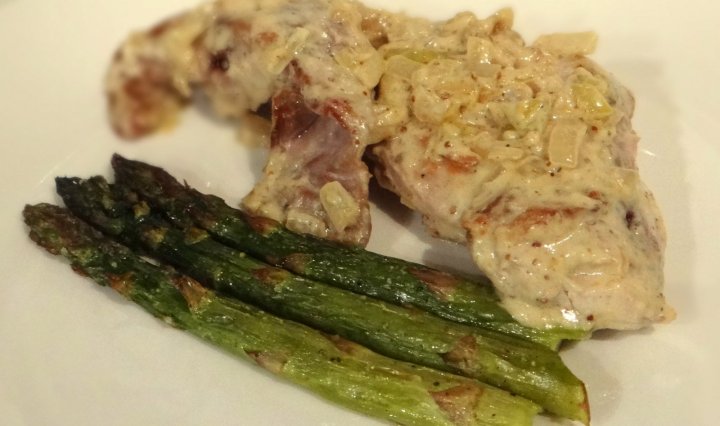
Stéphane from My French Heaven always has wonderful photos on his blog and recipes that are as simple as they are tasty. His recent post about his version of the French classic rabbit in mustard sauce was all the inspiration I needed to make my own sous-vide version.

Continue reading “Rabbit Sous-Vide with Mustard Sauce (Lapin à la Dijonnaise)”

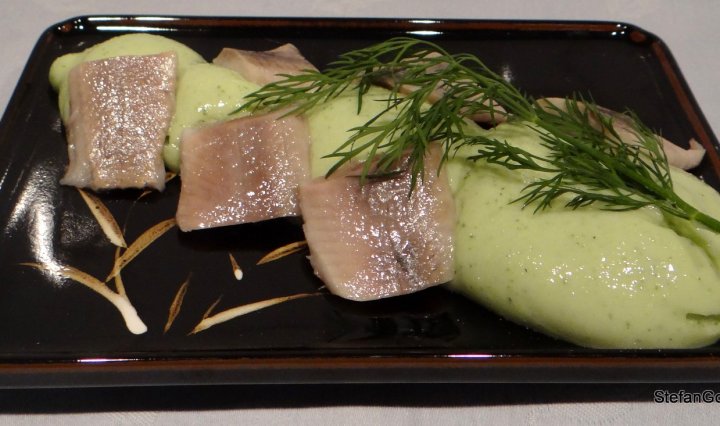
Herring Ceviche with Cucumber Foam

The inspiration for serving herring marinated in lime juice with cucumber comes from an amuse bouche served by Albert when he cooked dinner for us.

Brined herring is a Dutch delicacy, prepared by ripening the herrings for a couple of days in oak barrels in a brine. The pancreatic enzymes which support the ripening make this version of salt herring especially mild and soft. Marinating it in lime juice (ceviche style) makes it even milder and softer.  As brined herring is served with pickled cucumber and raw chopped onion in the Netherlands, I prepared the foam with cucumber, yogurt, and raw shallot (a variation of a recipe that came with the iSi gourmet whip). The combination with the herring worked out great and I will definitely make this again.

Continue reading “Herring Ceviche with Cucumber Foam”